
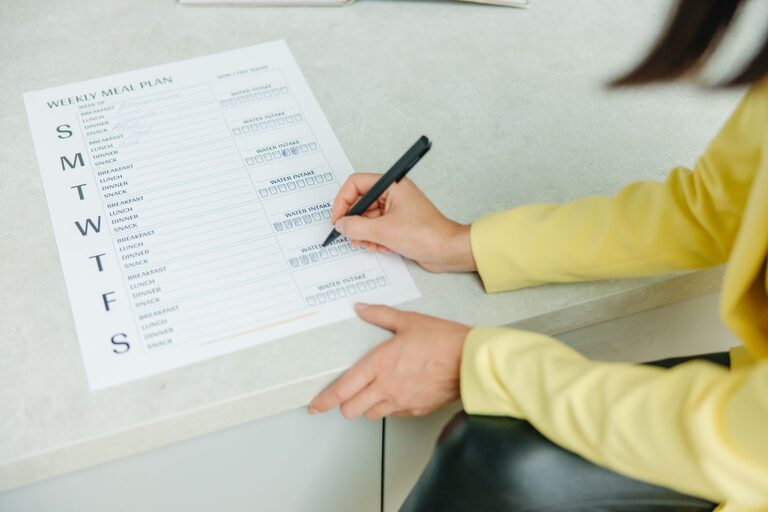
Planning your meals for the week can transform your cooking routine, save money, reduce food waste, and help you eat healthier. If you’ve never created a meal plan before, the idea might seem overwhelming — what to cook, when, and how to shop efficiently. This guide breaks down the process into easy, manageable steps so you can build a simple weekly meal plan that fits your lifestyle.
Why Create a Weekly Meal Plan?
Before diving into the how, it’s helpful to know why meal planning is worth your time:
– Saves Time: Knowing what you’ll cook each day eliminates last-minute decisions and helps streamline grocery shopping.
– Reduces Stress: No more “What’s for dinner?” panic after a long day.
– Supports Healthy Eating: Planning meals encourages balanced and nutritious choices.
– Cuts Food Waste: Buying only what you need means less spoiled food in the trash.
– Saves Money: Avoiding takeout and impulse purchases keeps your grocery budget under control.
Step 1: Assess Your Schedule and Needs
Start by looking at your week ahead. Consider:
– Days when you’ll have time to cook versus days when you need quick meals.
– Any social plans or events that might affect eating at home.
– Dietary preferences or restrictions for you or your family.
Jot down your available meal slots, like breakfast, lunch, dinner, and snacks. This gives a framework for planning.
Step 2: Choose Your Recipes
Keeping meals simple is key. Select recipes that match your cooking comfort level and schedule, such as:
– One-pot dishes or sheet-pan meals for easy prep and cleanup.
– Slow cooker or instant pot recipes for no-fuss cooking.
– Meals that can be made in bulk and enjoyed as leftovers.
Pick 3 to 5 main dishes for the week, aiming for variety in proteins and vegetables. Include easy breakfasts like overnight oats or smoothies and grab-and-go lunches if needed.
Step 3: Create Your Meal Plan Grid
Using a simple table or calendar, map out your meals for each day:
| Day | Breakfast | Lunch | Dinner | Snacks |
|———–|——————|——————|—————–|—————–|
| Monday | Oatmeal with fruit | Chicken salad | Veggie stir-fry | Nuts & yogurt |
| Tuesday | Smoothie | Leftover stir-fry | Spaghetti | Fresh fruit |
| … | | | | |
This visual helps you see your week at a glance and avoid repeating the same meals too often.
Step 4: Make a Detailed Grocery List
Review your planned recipes and write down all ingredients you need. Group items by category such as produce, dairy, pantry staples, and proteins. This helps you navigate the store quickly and reduces the chance of forgetting something.
Tip: Check your pantry and fridge before shopping to avoid buying duplicates.
Step 5: Prep in Advance
If your schedule allows, spend some time prepping ingredients or cooking meals ahead:
– Wash and cut vegetables.
– Cook grains like rice or quinoa in bulk.
– Portion snacks for easy access.
– Prepare slow cooker meals ready to go.
This reduces daily cooking time and makes healthy choices easier when you’re busy.
Step 6: Stay Flexible and Adjust
Meal plans are guides, not strict rules. If you need to swap meals or order takeout occasionally, that’s okay. Over time, you’ll learn what works best for your taste and lifestyle. Keep experimenting with new recipes and adjust portion sizes as needed.
Additional Tips for Successful Meal Planning
– Use leftovers creatively: Turn last night’s dinner into today’s lunch.
– Keep staple ingredients: Items like eggs, frozen vegetables, and canned beans are versatile.
– Batch cook: Double recipes and freeze portions for future weeks.
– Involve family: Let everyone contribute ideas or help with prep.
– Use technology: Apps and printable planners can simplify the process.
Final Thoughts
Creating a simple weekly meal plan can feel like a game changer for your daily routine. It saves time, reduces stress, and encourages healthier eating — all while helping you stick to your grocery budget. Start small, keep your meals straightforward, and enjoy the benefits of organized, thoughtful cooking. Soon, meal planning will be a natural and rewarding part of your week. Happy cooking!